Movement Lab
-
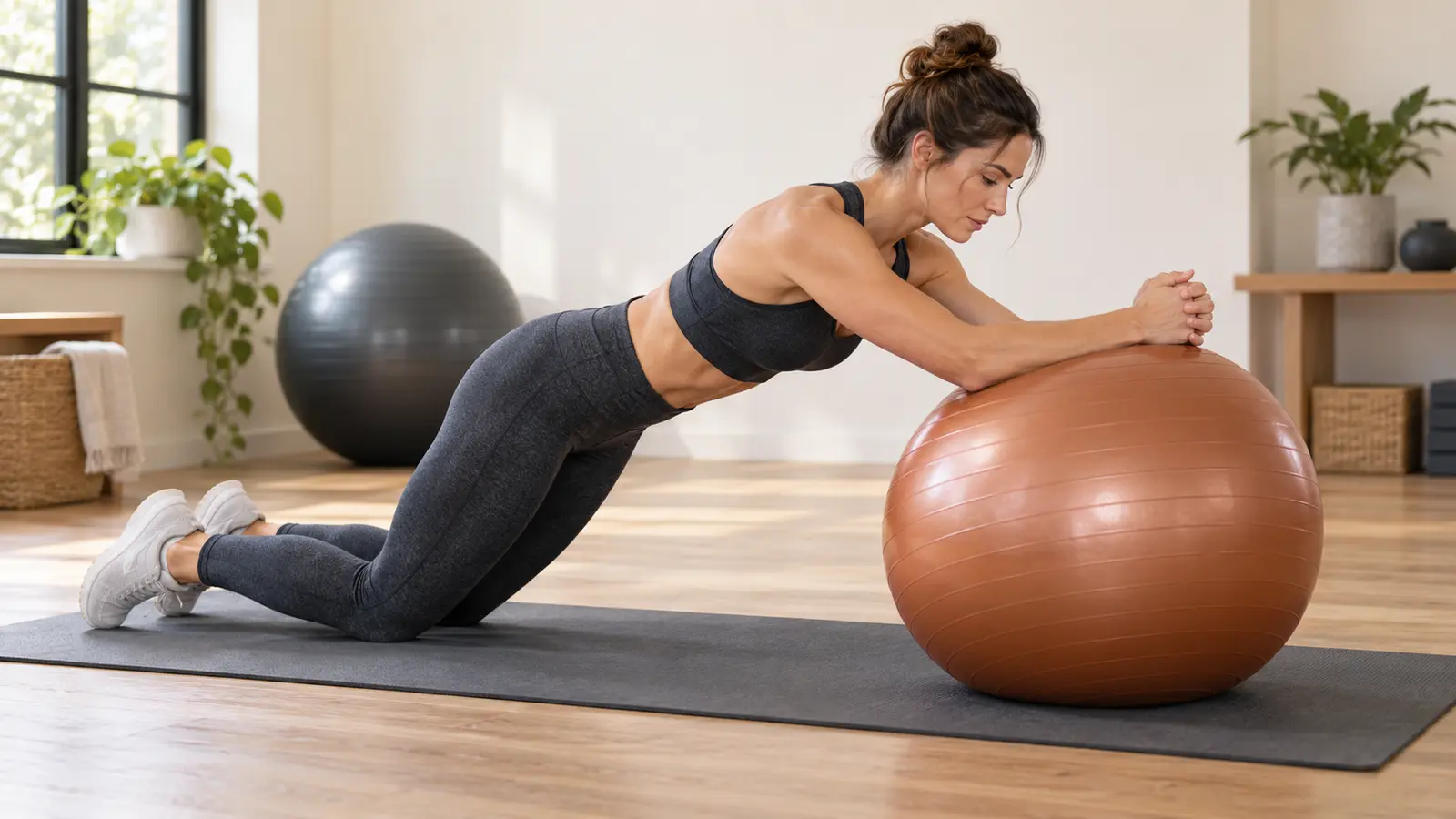
Stability Ball Ab Exercises: 12 Moves for Core Strength
Stability Ball Core Workout The best stability ball exercises for abs do more than make your torso bend. They challenge your core to resist unwanted arching, rotation and side bending while your arms and legs move. This guide organizes 12 stability ball ab exercises from beginner-friendly crunches, dead bug presses and seated marches to advanced…
-
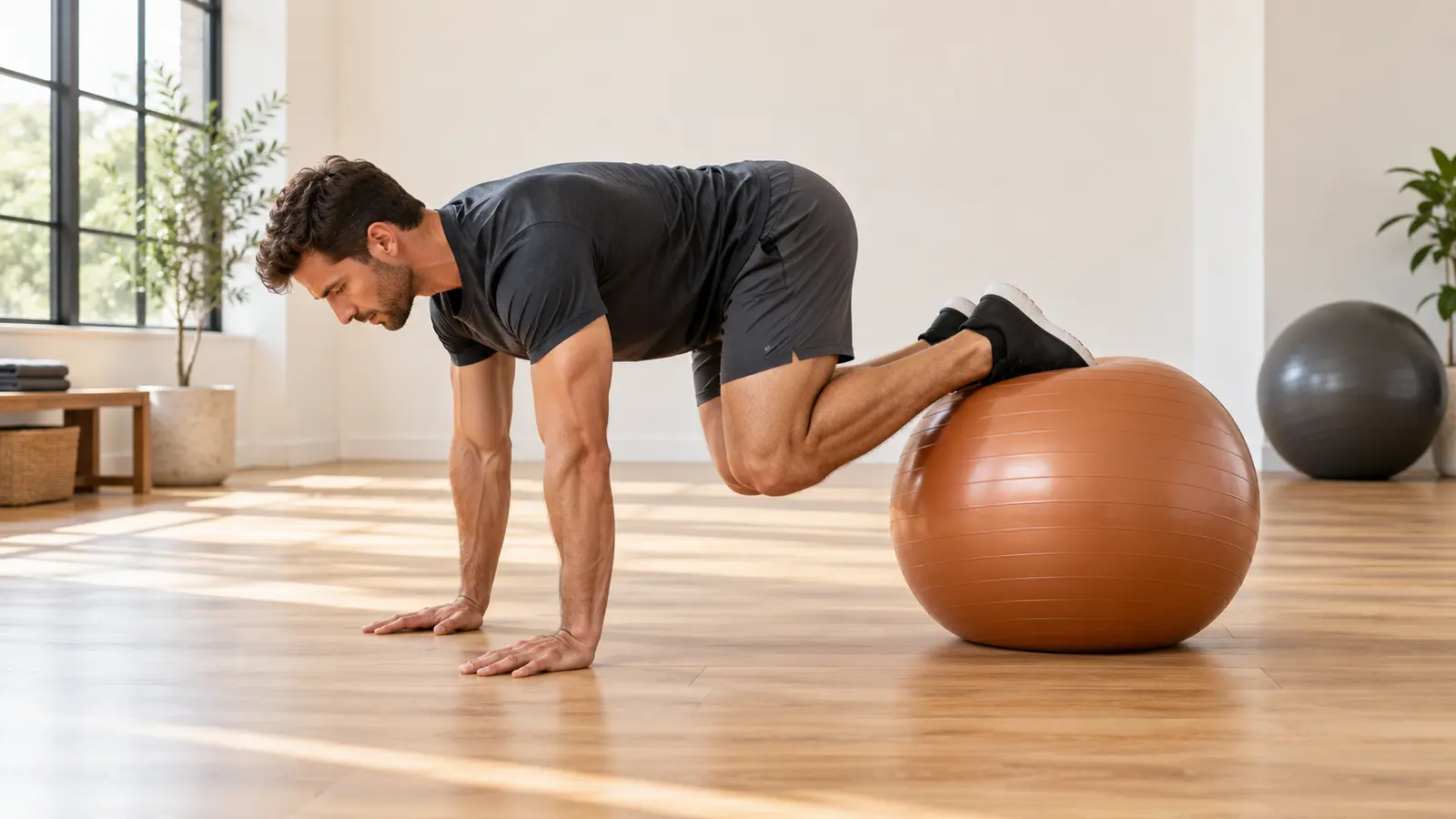
15 Stability Ball Exercises for a Full-Body Workout
Full-Round Stability Ball Workout Stability ball exercises can train your legs, glutes, chest, back and core while adding a balance challenge to familiar movements. The best place to begin is not the hardest variation—it is the version you can control with steady breathing and consistent alignment. This guide includes 15 exercises ranging from beginner-friendly wall…
-
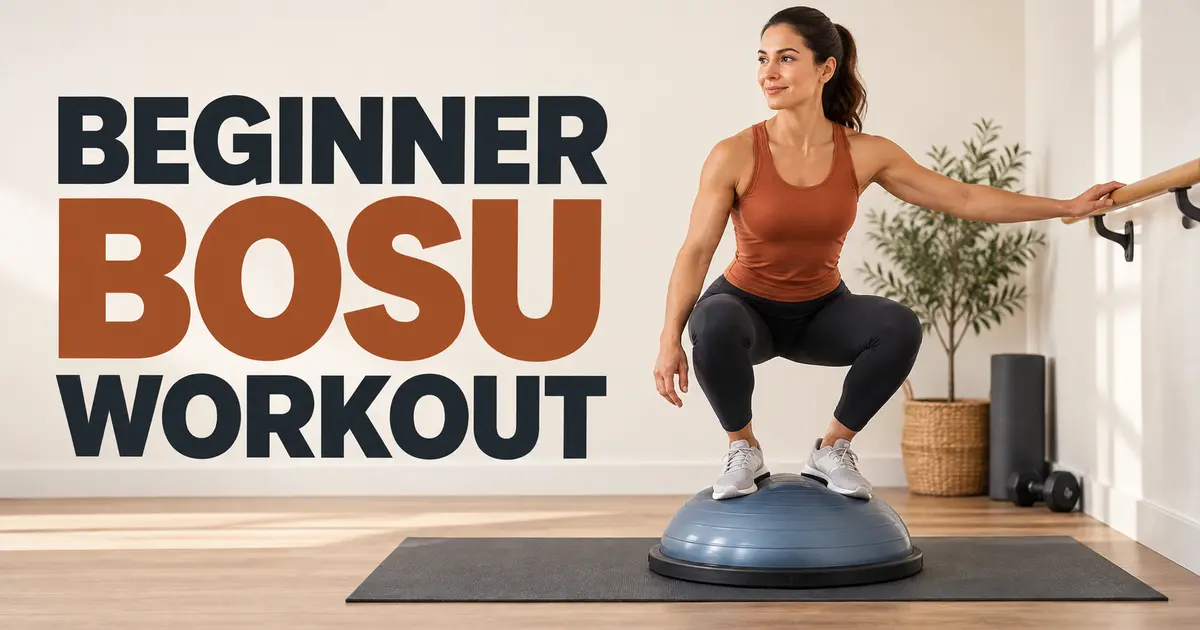
BOSU Ball Exercises for Beginners: 20-Minute Workout
Balance Foundry Beginner Workout These BOSU ball exercises for beginners create a complete 20-minute workout using five approachable movements. You will practice balance, lower-body control, pushing strength and core stability without jumping or advanced tricks. By Charlie Brown, Certified Personal Trainer, Nutrition Coach and Barefoot Coach Before you begin: Place the BOSU ball dome-side up…
-
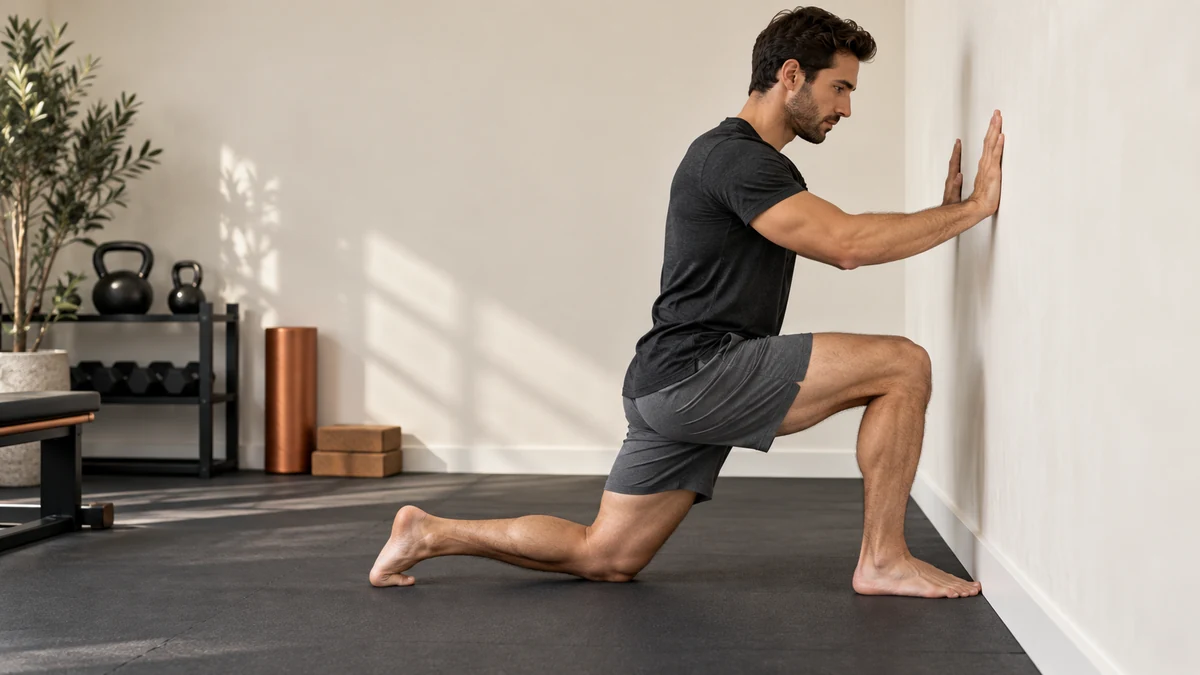
9 Ankle Dorsiflexion Exercises for Better Mobility
Balance Foundry Mobility Guide Ankle dorsiflexion exercises work best when they combine active movement, calf flexibility and strength. The goal is not simply to push the knee farther forward. It is to build usable ankle range while keeping the heel planted, the foot controlled and the movement comfortable. Ankle dorsiflexion is the motion that brings…
-
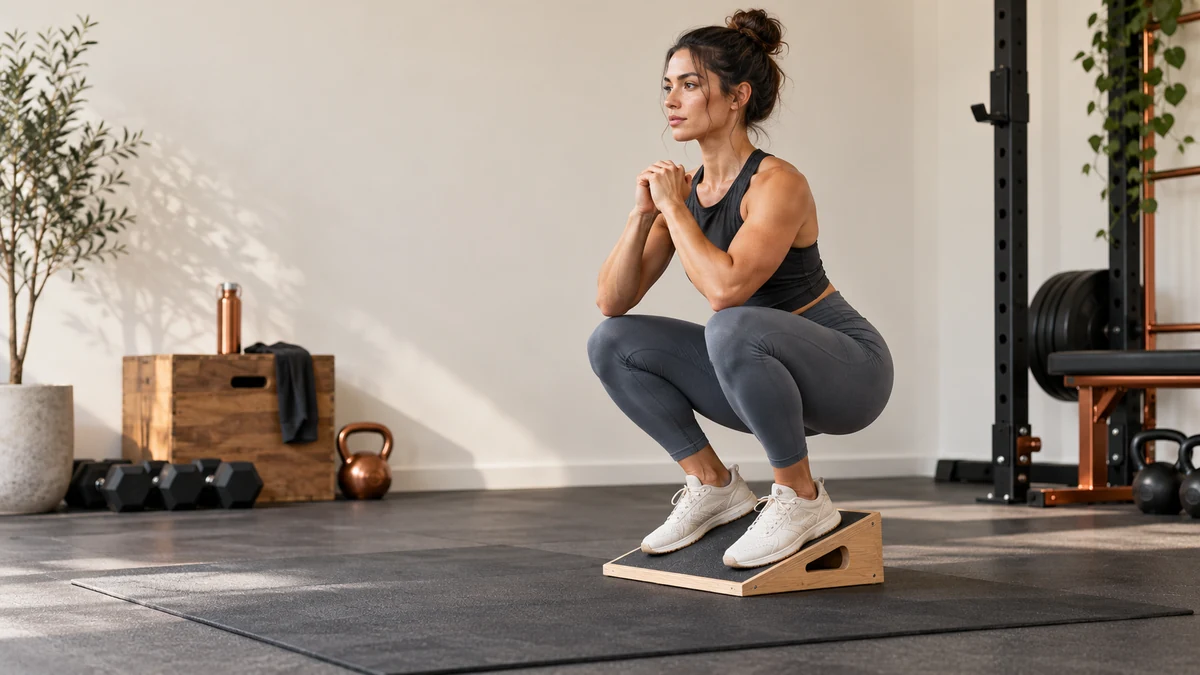
Slant Board Squats: Benefits, Muscles Worked & Form
Balance Foundry Exercise Guide Slant board squats elevate your heels so you can squat with a more upright torso and greater forward knee travel. That small change can make deep squat positions easier to access while placing more emphasis on the quadriceps. Affiliate disclosure: Balance Foundry may earn a commission from qualifying purchases made through…
-
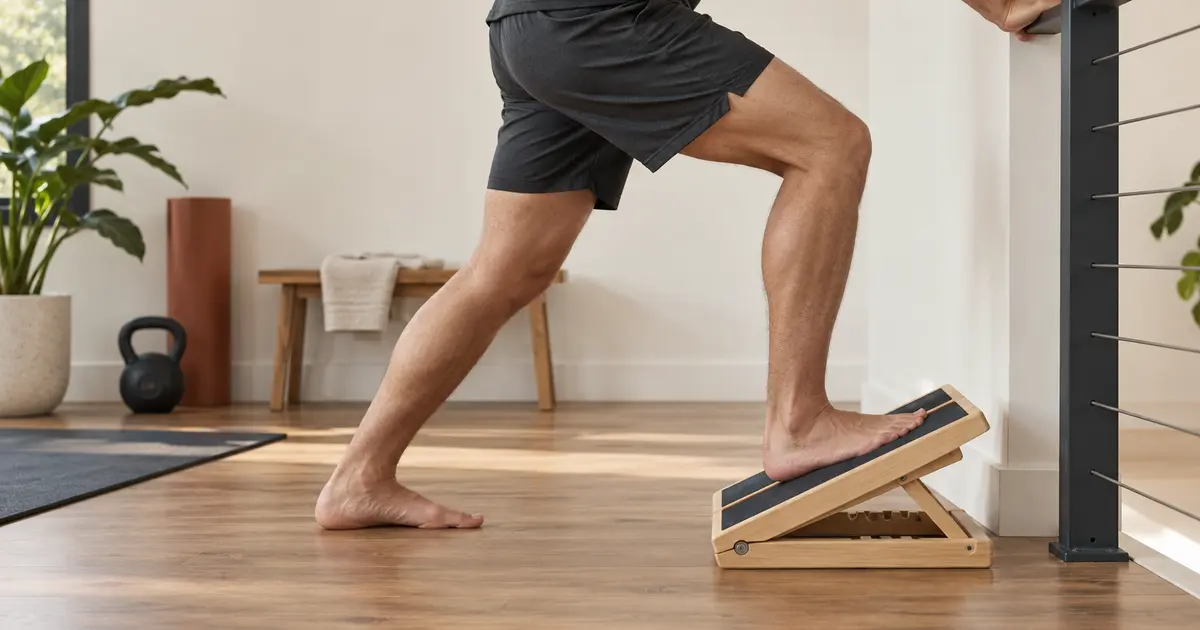
How to Use a Slant Board for Ankle Mobility
Balance Foundry Mobility Guide A slant board makes ankle mobility work simple and repeatable. The goal is not to force the heel downward or chase the steepest angle. It is to create a controlled position where the ankle, calf and foot can gradually tolerate more useful range. Affiliate disclosure: Balance Foundry may earn a commission…
-
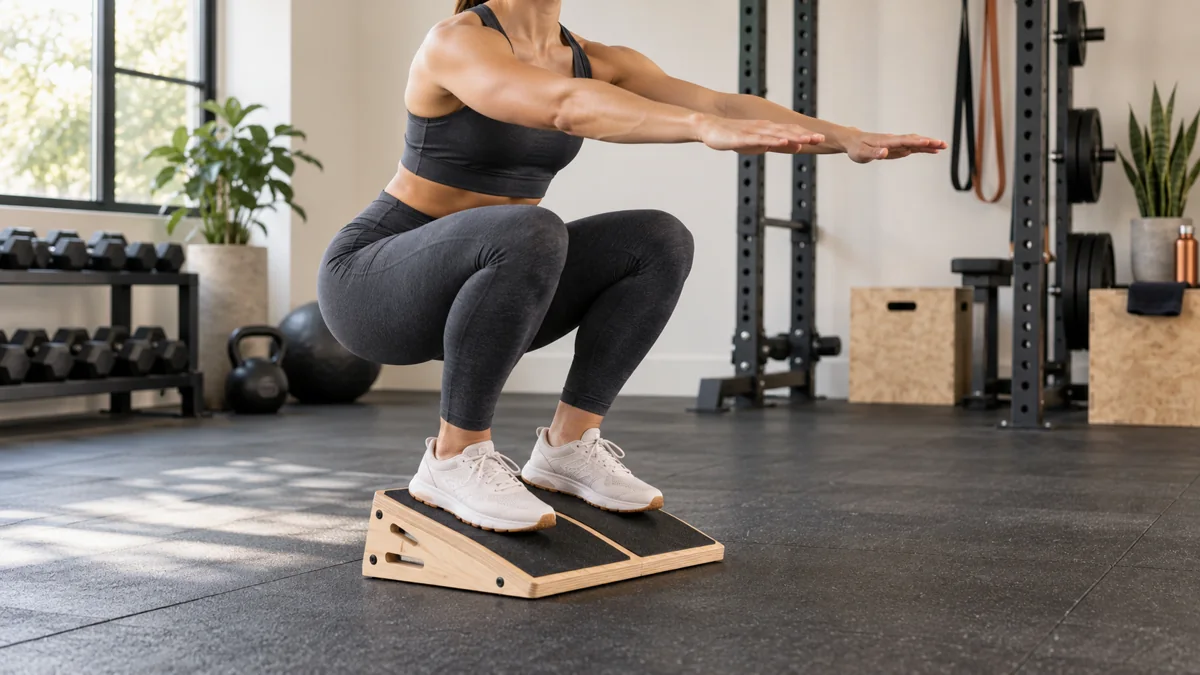
12 Balance Board Exercises for Beginners
Balance Foundry Exercise Guide Start With Control, Then Add Challenge These beginner balance board exercises build from supported standing and small weight shifts to squats, reaches and single-leg control. The goal is quiet, repeatable movement—not maximum wobble. Affiliate disclosure: Balance Foundry may earn a commission when you buy through links on this page, at no…
-
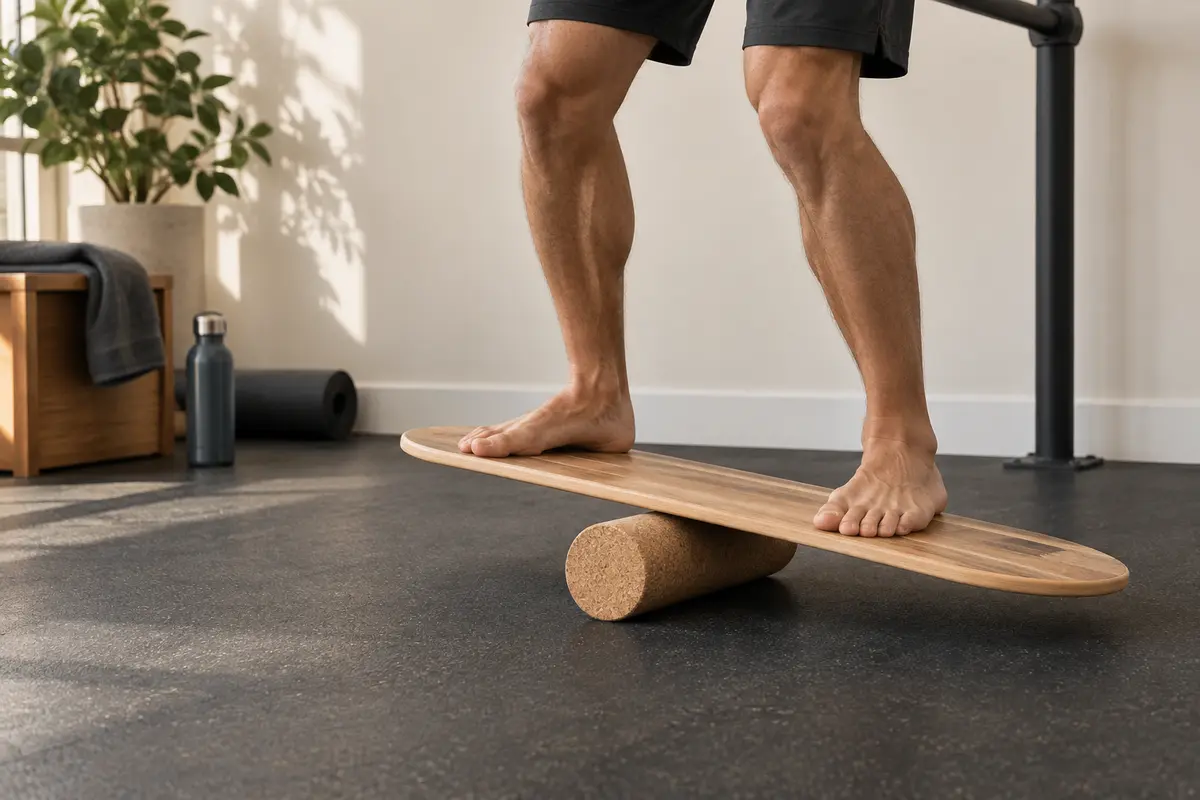
Best Balance Boards for Ankle Strength: 4 Picks
Balance Foundry Buyer’s Guide Build Better Ankle Control With the Right Level of Instability The best balance board for ankle strength is not necessarily the hardest one. A useful board lets you create controlled movement, progress gradually and train consistently without turning every session into a fall-prevention exercise. By Charlie Brown ISSA-Certified Personal TrainerISSA-Certified Nutrition…
-
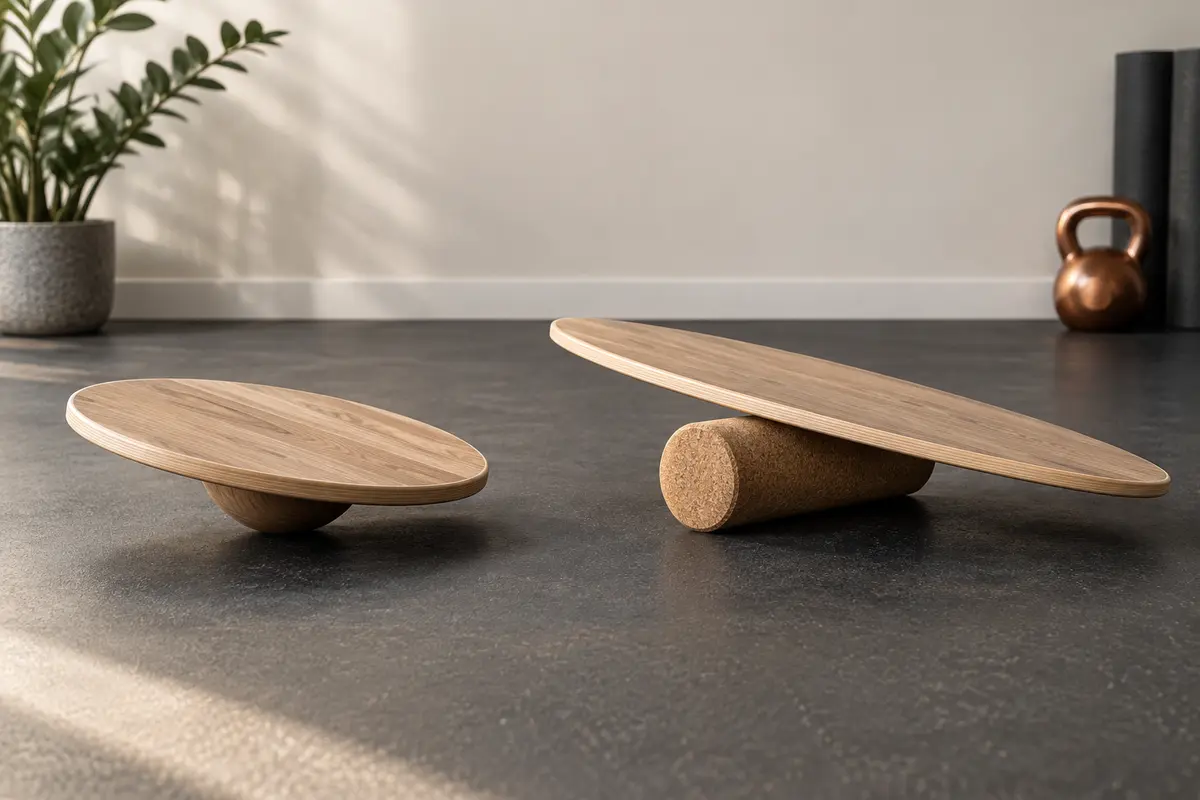
Wobble Board vs. Balance Board: Key Differences
Balance Foundry Comparison Guide Wobble Board or Balance Board? Start With the Movement A wobble board is a type of balance board—not its opposite. The useful comparison is between the wobble board’s multidirectional tilt and the more predictable motion of rocker or roller-based designs. Affiliate disclosure: Balance Foundry may earn a commission when you buy…
-
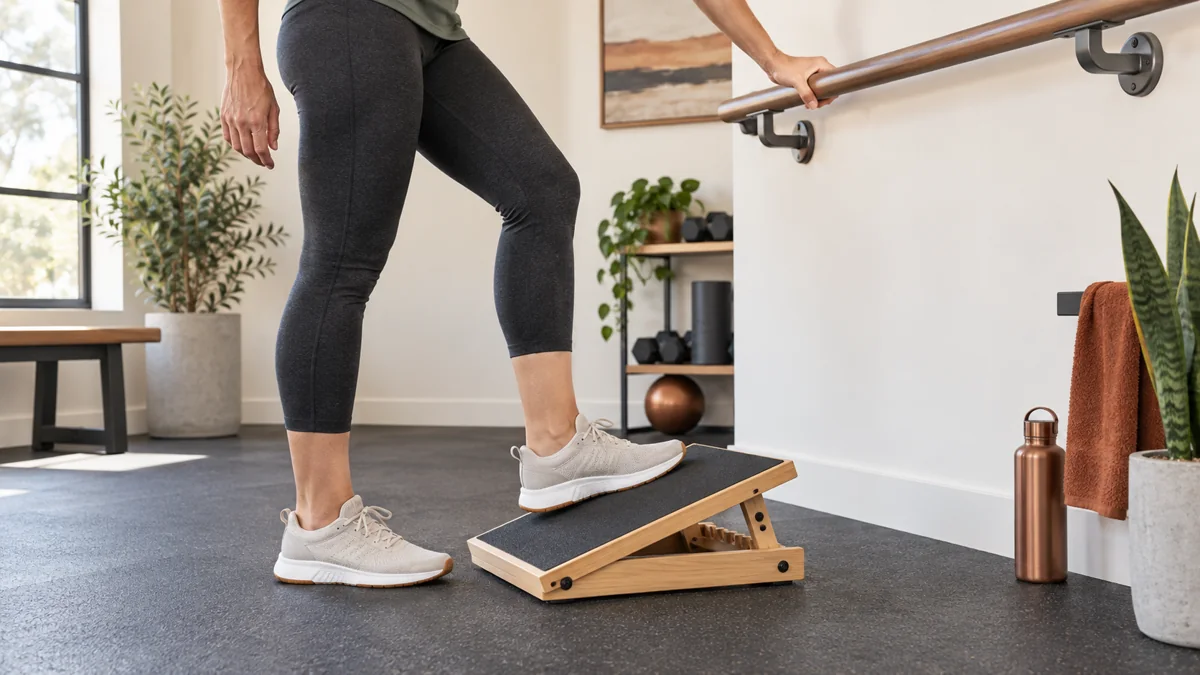
How to Use a Slant Board: A Beginner’s Guide
Balance Foundry Beginner Guide Start With the Right Direction, Angle, and Foot Position A slant board is simple once you know which way to face. This guide explains how to set it up for calf stretching, ankle mobility, heel-elevated squats, and lower-leg strength. Quick answer: Face uphill—toes higher than heels—for calf stretching, ankle-mobility drills, and…