
Movement Lab
-
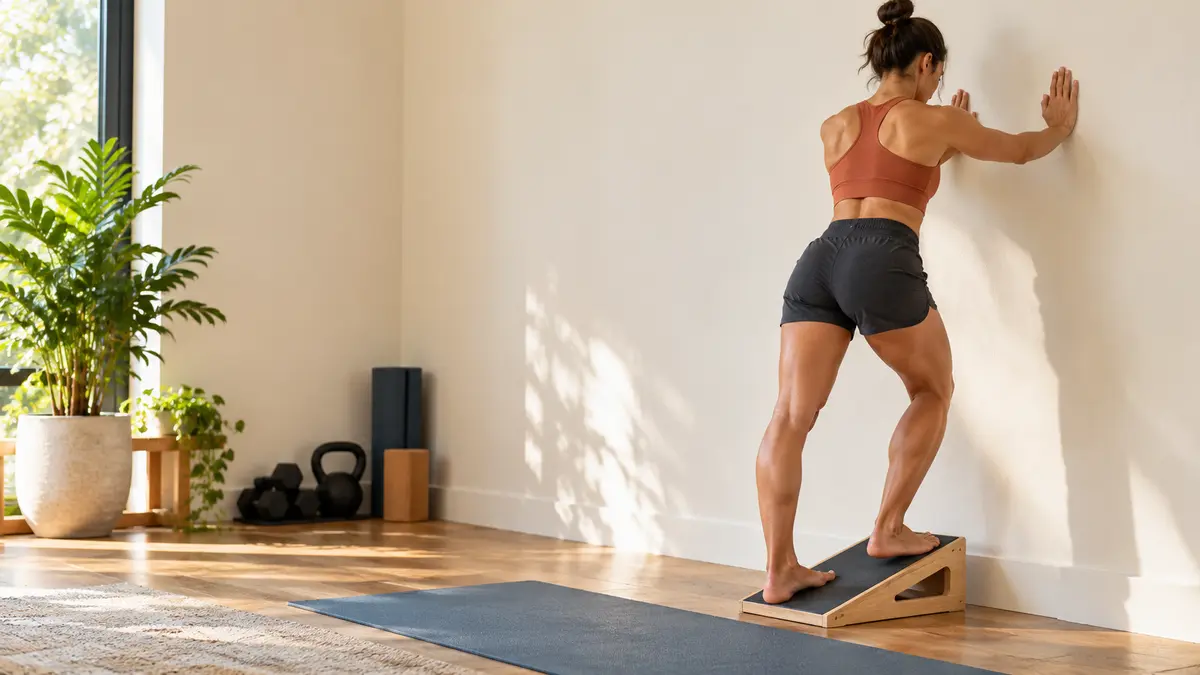
Slant Board Calf Stretch: Straight-Knee vs. Bent-Knee Form
A slant board makes calf stretching easy to repeat because it fixes the foot on a consistent incline. Changing the knee position changes the length and contribution of the two-joint gastrocnemius relative to the deeper soleus. The main distinction: A straighter knee places the gastrocnemius in a longer position across both the knee and ankle.…
-
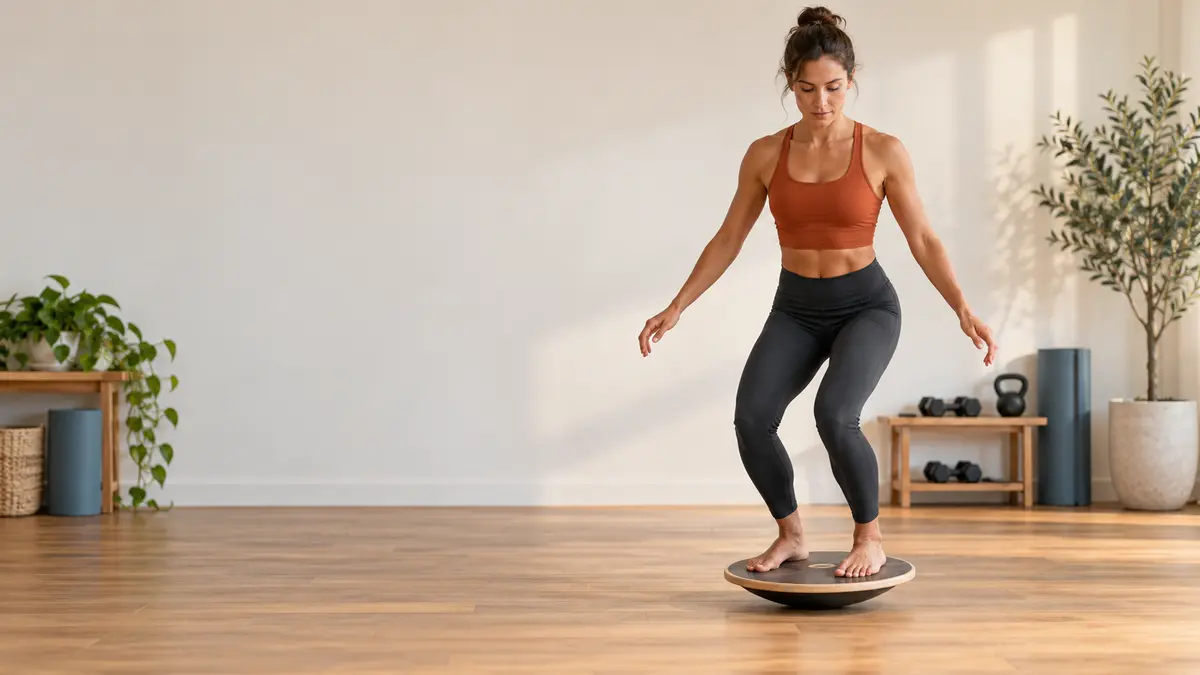
Balance Board Ankle Exercises: 10 Drills for Strength and Control
Balance board ankle exercises challenge the muscles around the foot and lower leg to manage small changes in board position. The goal is not to make the board move as much as possible. The goal is to create only as much movement as you can control. Start here: Place the board beside a wall or…
-
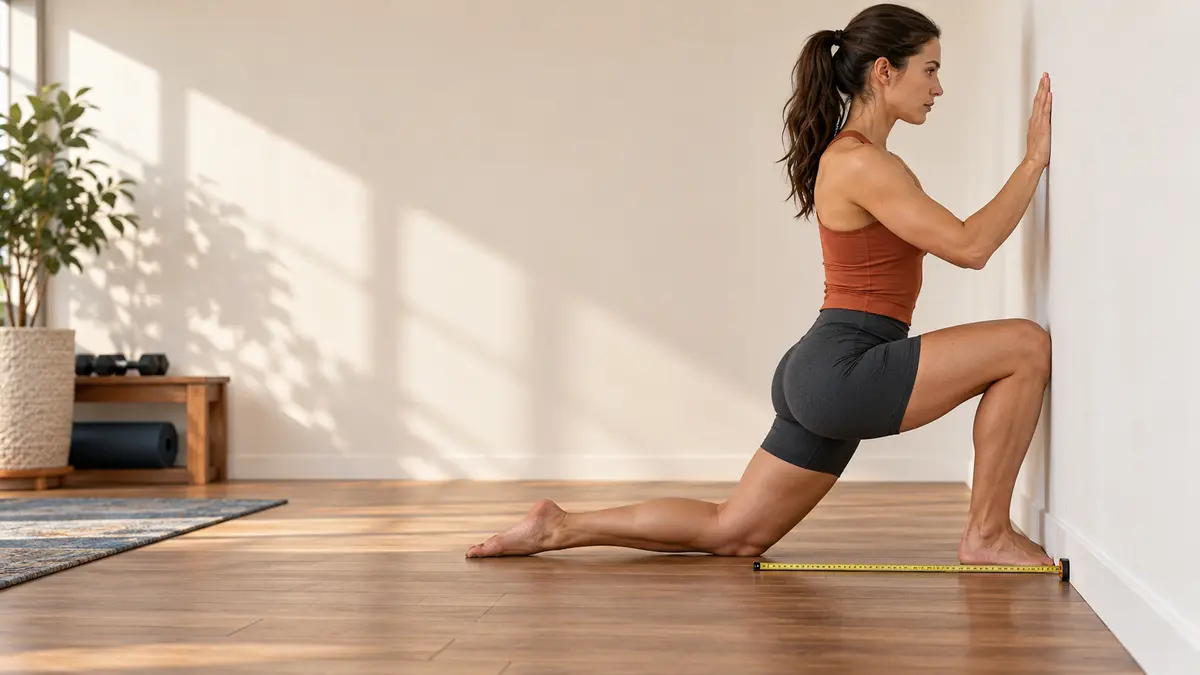
Ankle Dorsiflexion Normal Range: Knee-to-Wall Results by Age and Activity
The knee-to-wall test gives you a practical way to measure weight-bearing ankle dorsiflexion. The difficult part is interpreting the result. A number that is typical for one age group, sport or testing method may not mean the same thing in another context. Quick answer: There is no universal pass-or-fail ankle dorsiflexion score. Measure the same…
-
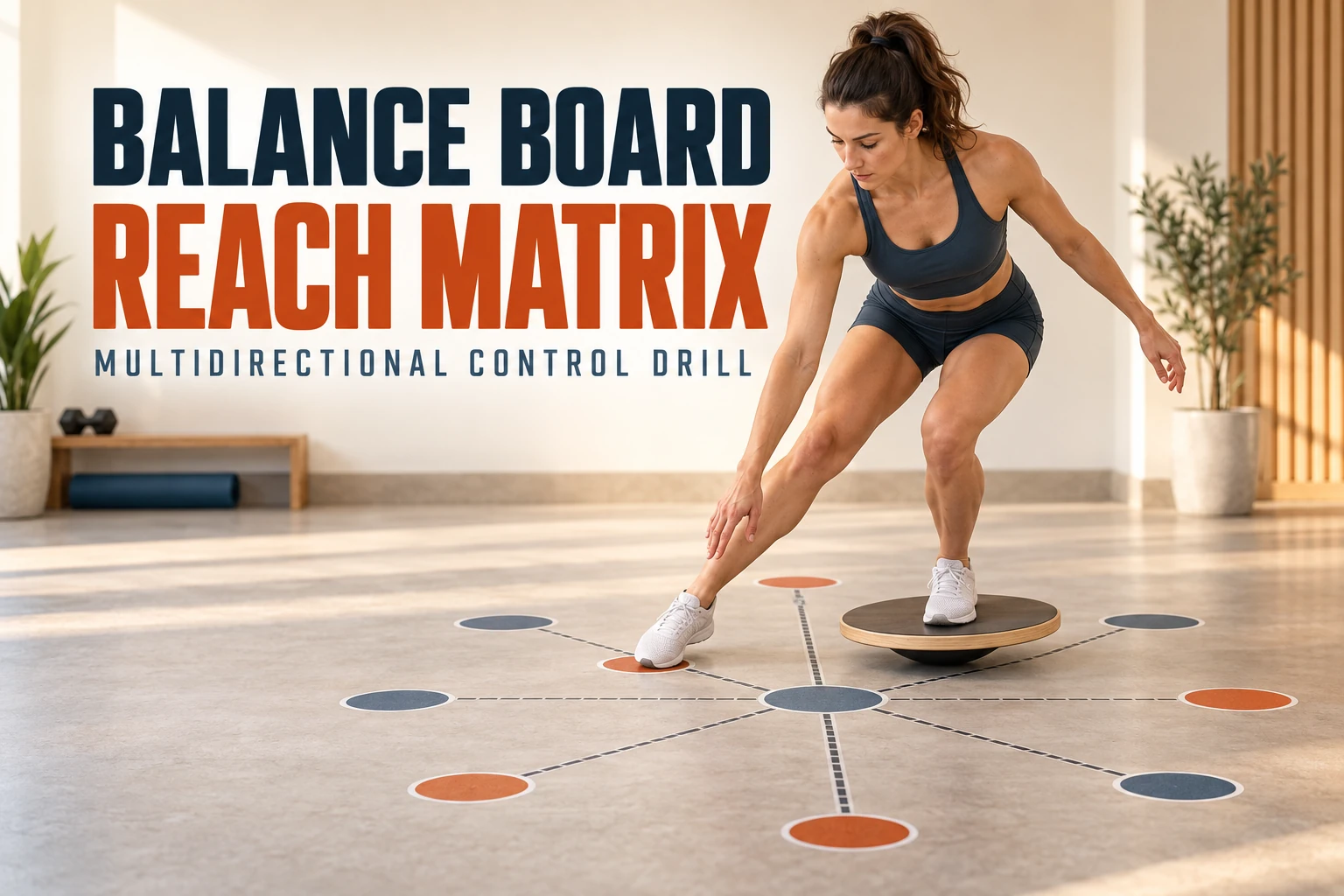
Balance Board Reach Matrix: A Multidirectional Control Drill
Balance Foundry Exercise Guide The balance board reach matrix is an intermediate control drill that combines single-leg balance with light foot taps in eight directions. The objective is not to reach as far as possible—it is to keep the stance foot, knee, hips and board organized while the free leg moves. By Charlie Brown, Certified…
-
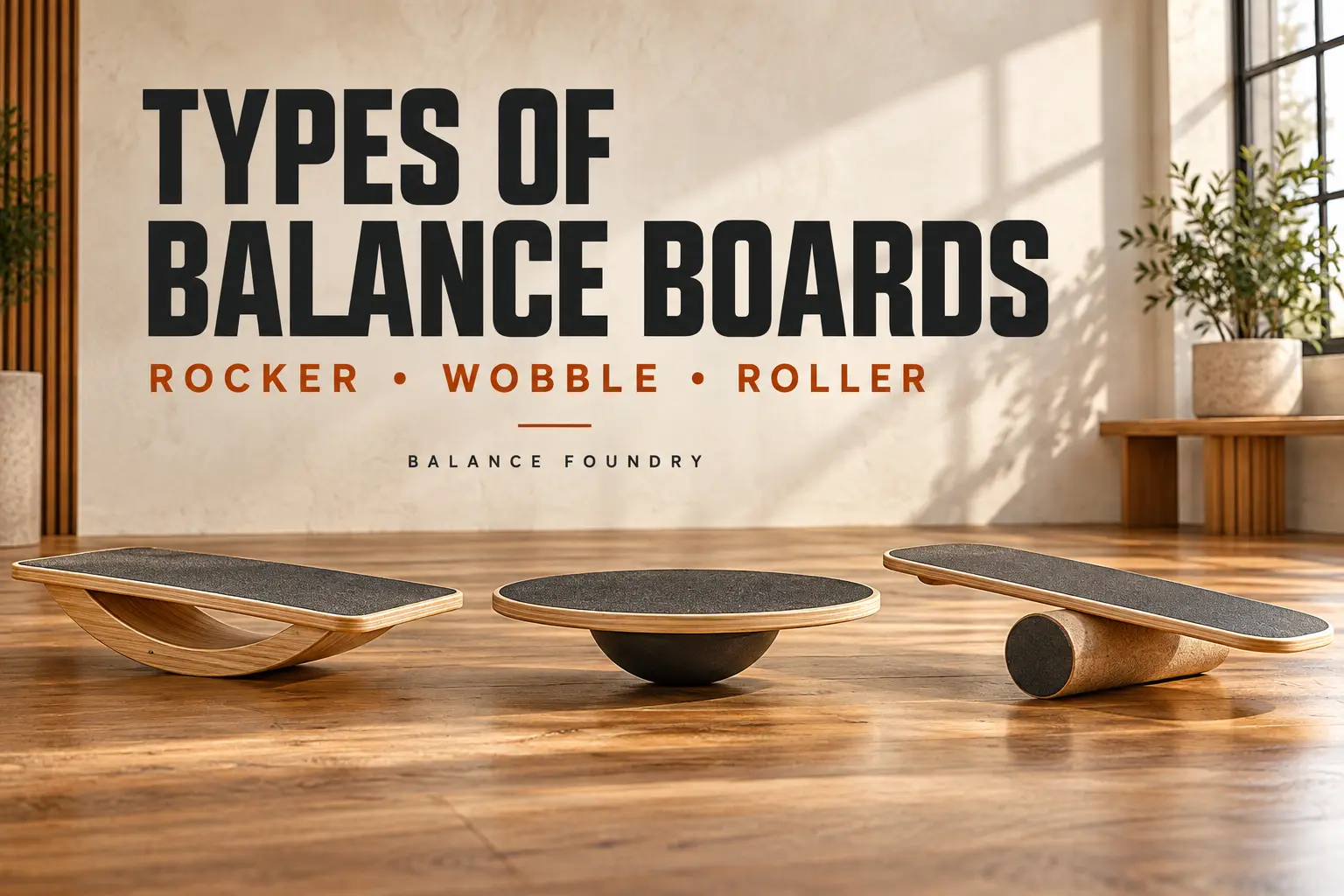
Types of Balance Boards: Rocker vs. Wobble vs. Roller
The main types of balance boards may look similar at first, but their movement patterns feel very different underfoot. A rocker board tilts along one primary axis, a wobble board can tip in every direction, and a roller board moves freely over a separate cylinder. Those mechanical differences determine how quickly each board feels approachable,…
-
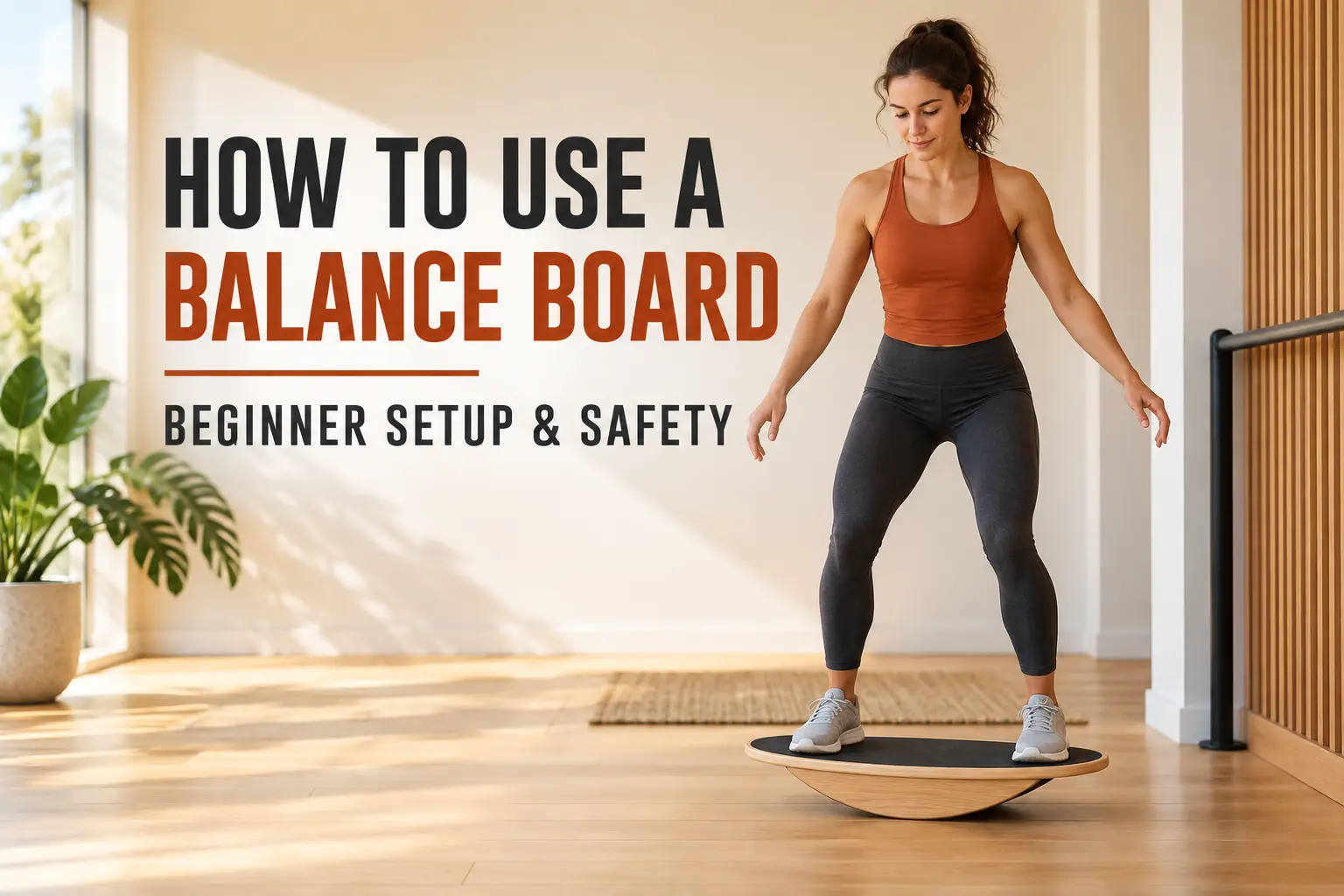
How to Use a Balance Board: Beginner Setup and Safety
Learning how to use a balance board begins with a safe setup, a stable point of support and small, controlled movements. You do not need to perform deep squats, stand on one leg or attempt tricks during your first session. The initial goal is simply to find the center of the board and control its…
-
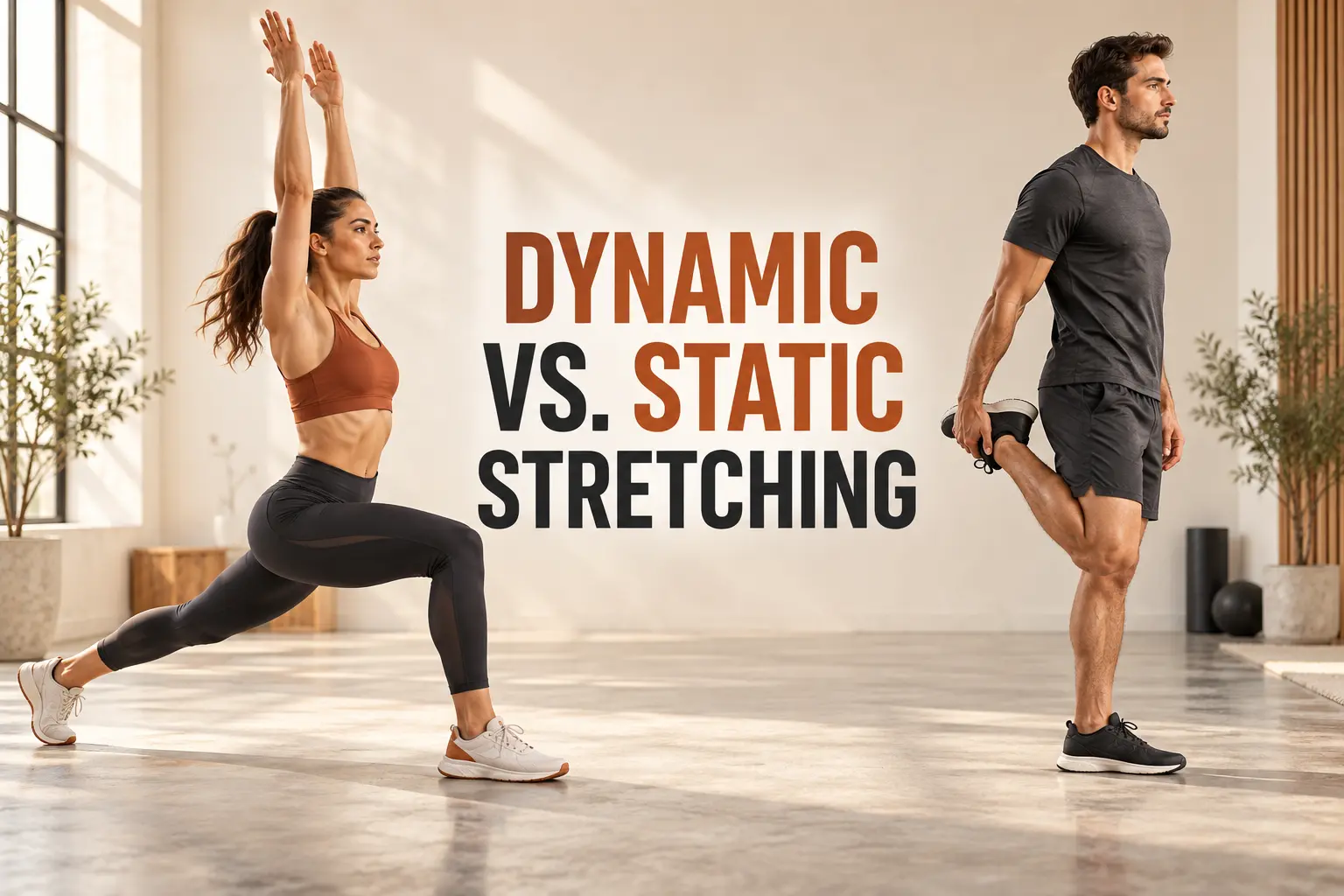
Dynamic Stretching vs. Static Stretching: When to Use Each
Dynamic and static stretching can both support better movement, but they serve different purposes. Dynamic stretching uses controlled movement to prepare your body for activity. Static stretching involves holding a position and is generally better suited to a cooldown or a separate flexibility session. Quick answer: Use dynamic stretching before exercise to raise your body…
-
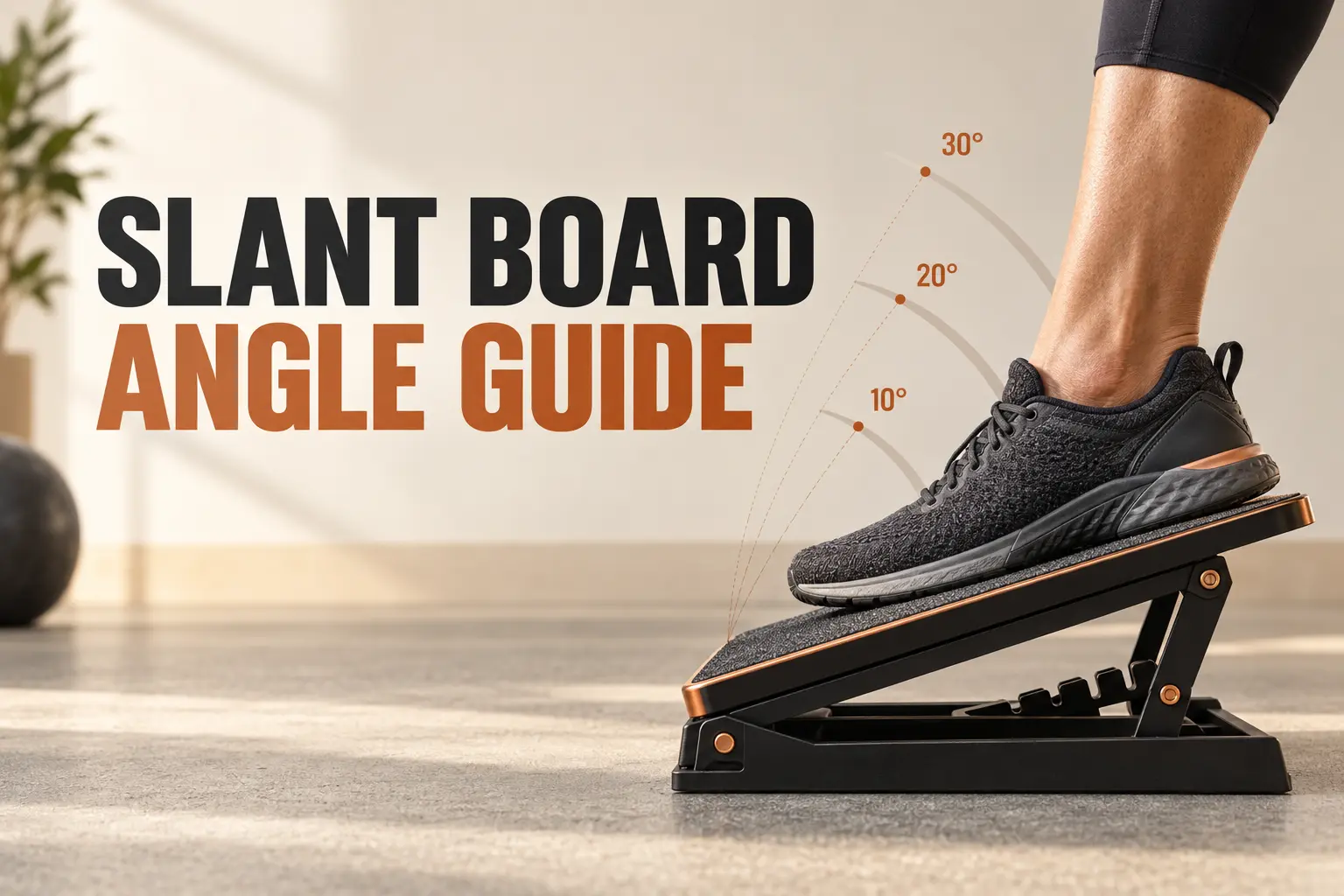
Slant Board Angle Guide: Which Incline Should You Use?
The angle of a slant board determines how much dorsiflexion and calf flexibility an exercise requires. A shallow incline usually feels more accessible, while a steeper setting creates a stronger stretch or a larger heel lift. The best slant board angle depends on the exercise, your current mobility, and whether you can maintain control without…
-
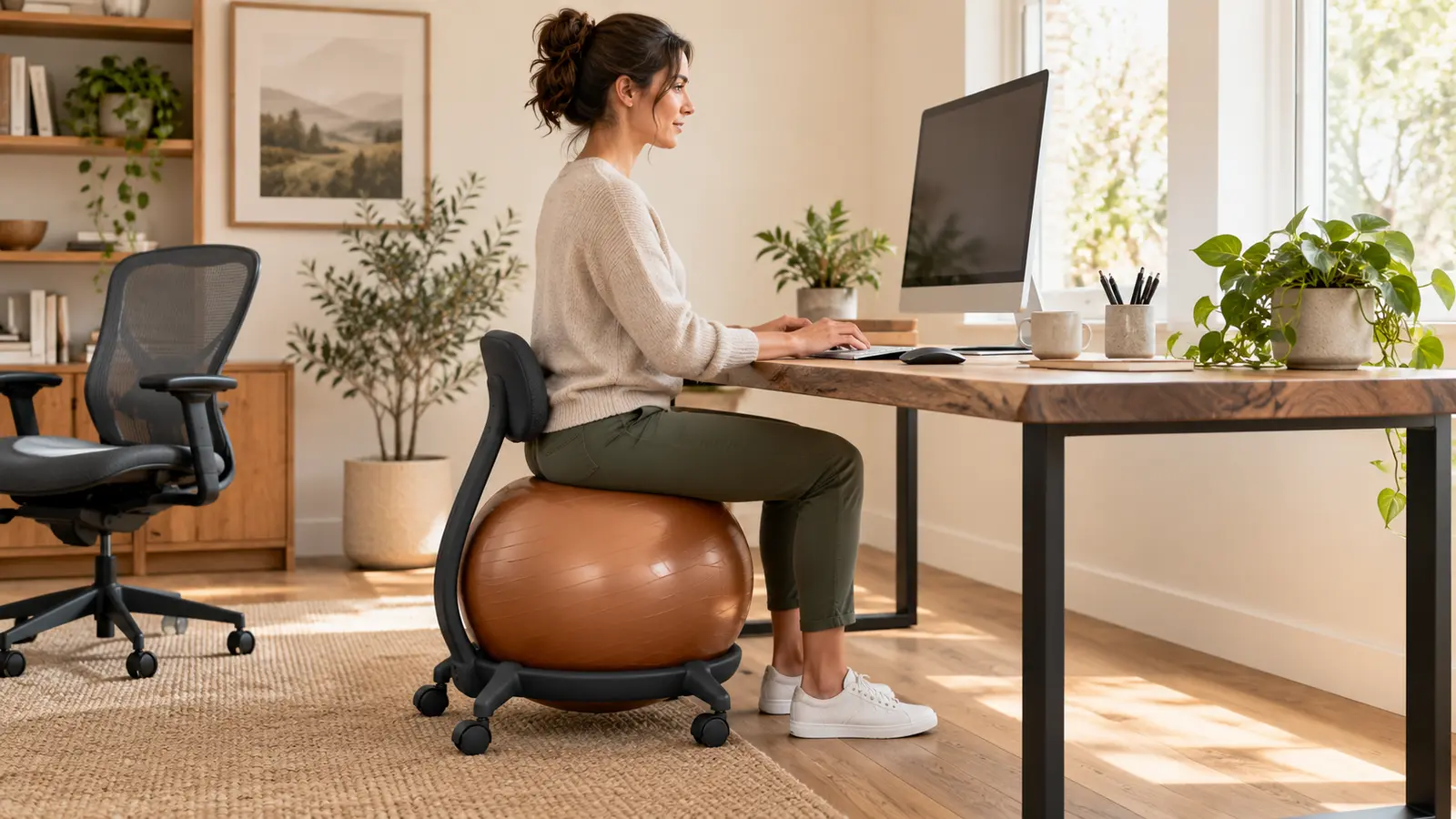
Stability Ball Office Chairs: Benefits, Drawbacks and Safety
Active-Seating Guide A stability ball office chair can add movement and variety to your workday, but it does not automatically correct posture, strengthen your core or prevent back pain. The most credible use is as an occasional seating option that complements—not replaces—a properly adjusted ergonomic chair and regular movement breaks. This guide explains the potential…
-
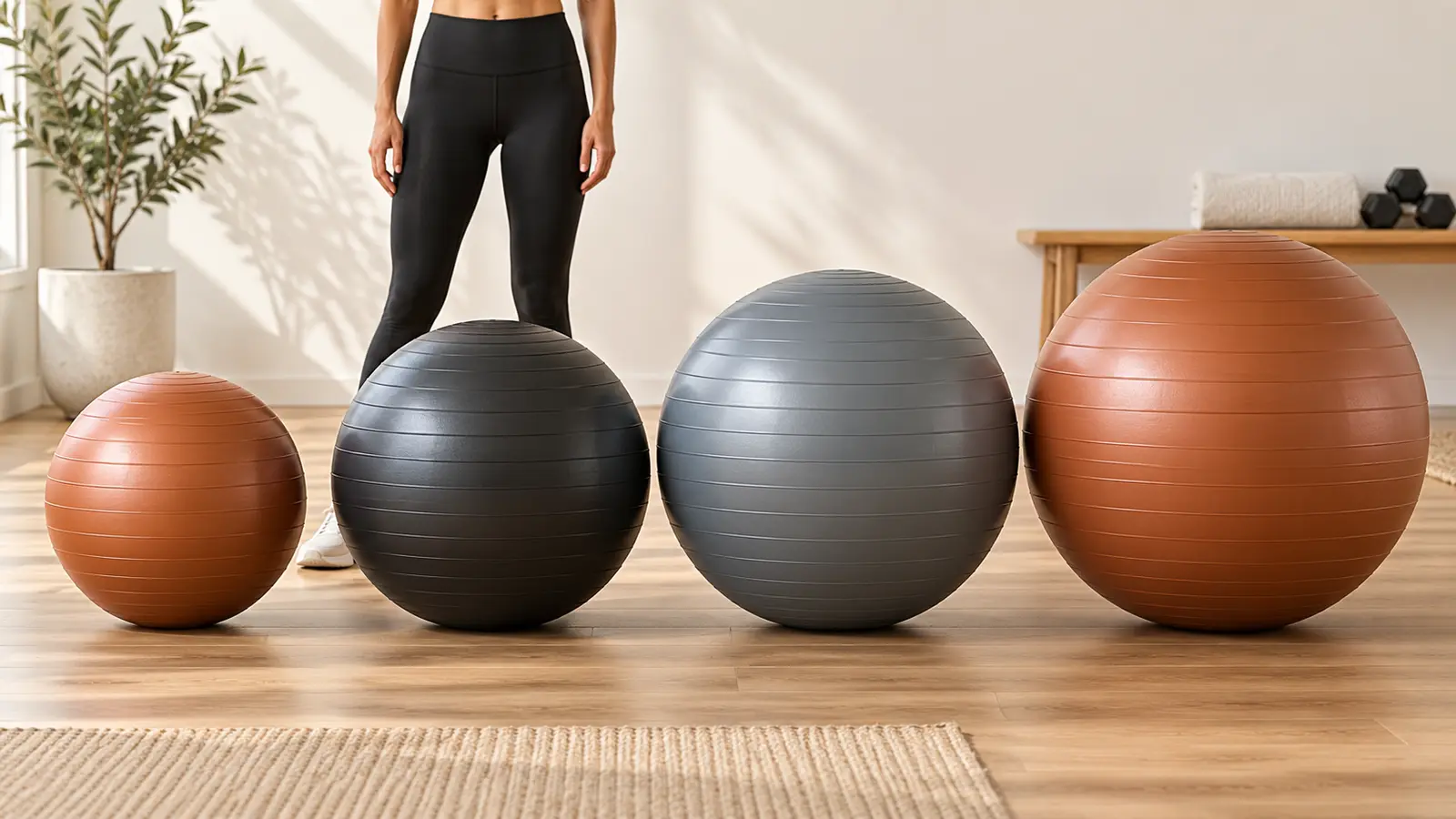
What Size Stability Ball Do I Need? Complete Size Chart
Exercise Ball Sizing Guide Most adults will begin with a 55, 65 or 75 cm stability ball, but height is only the first step. The correct choice also depends on your proportions, how firmly the ball is inflated and whether you plan to use it for exercise, mobility work or occasional sitting. Use the chart…