
Mobility
-
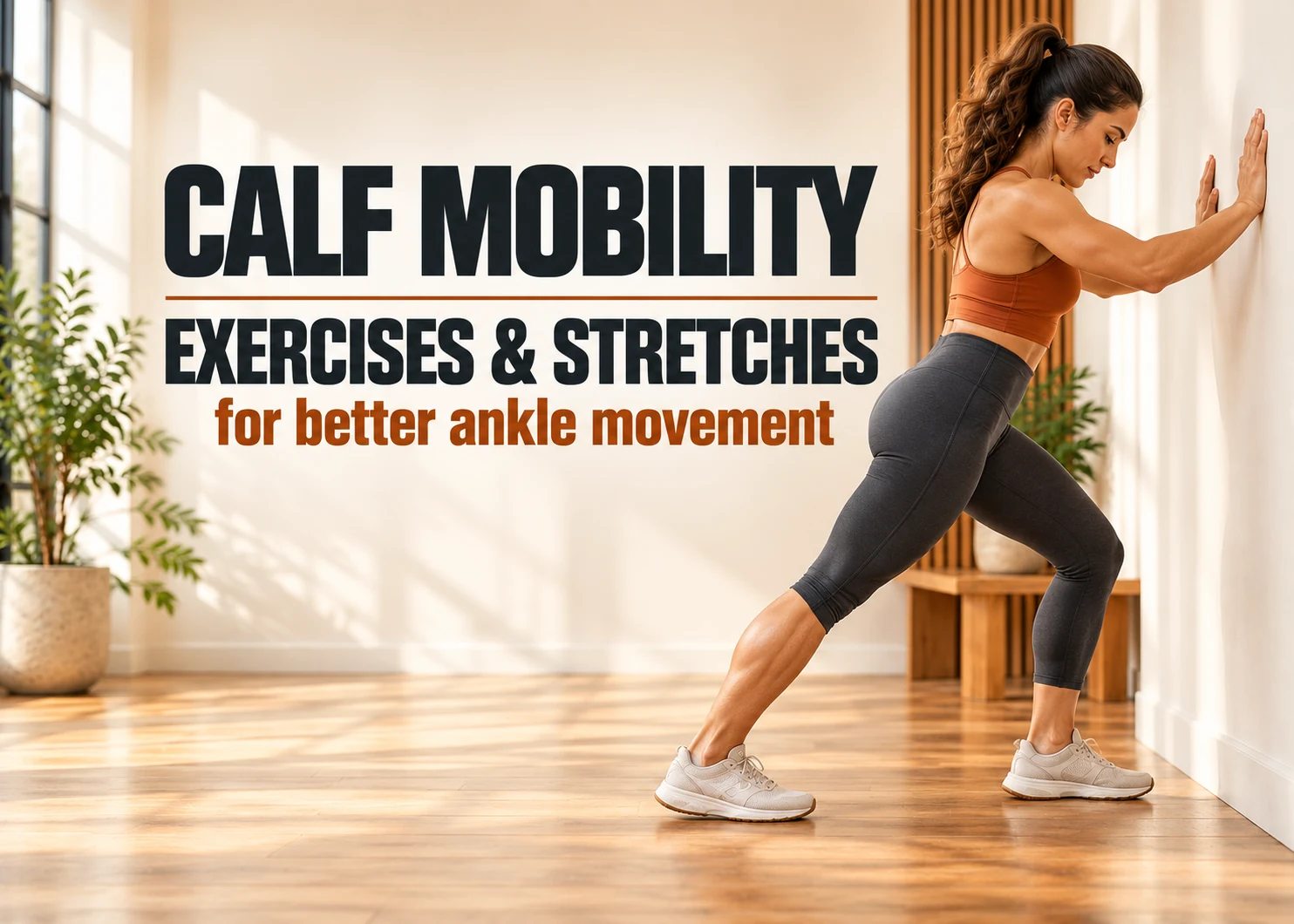
Calf Mobility Exercises and Stretches for Better Ankle Movement
Improve ankle movement with eight calf mobility exercises and stretches targeting the gastrocnemius, soleus, dorsiflexion, and lower-leg control.
-
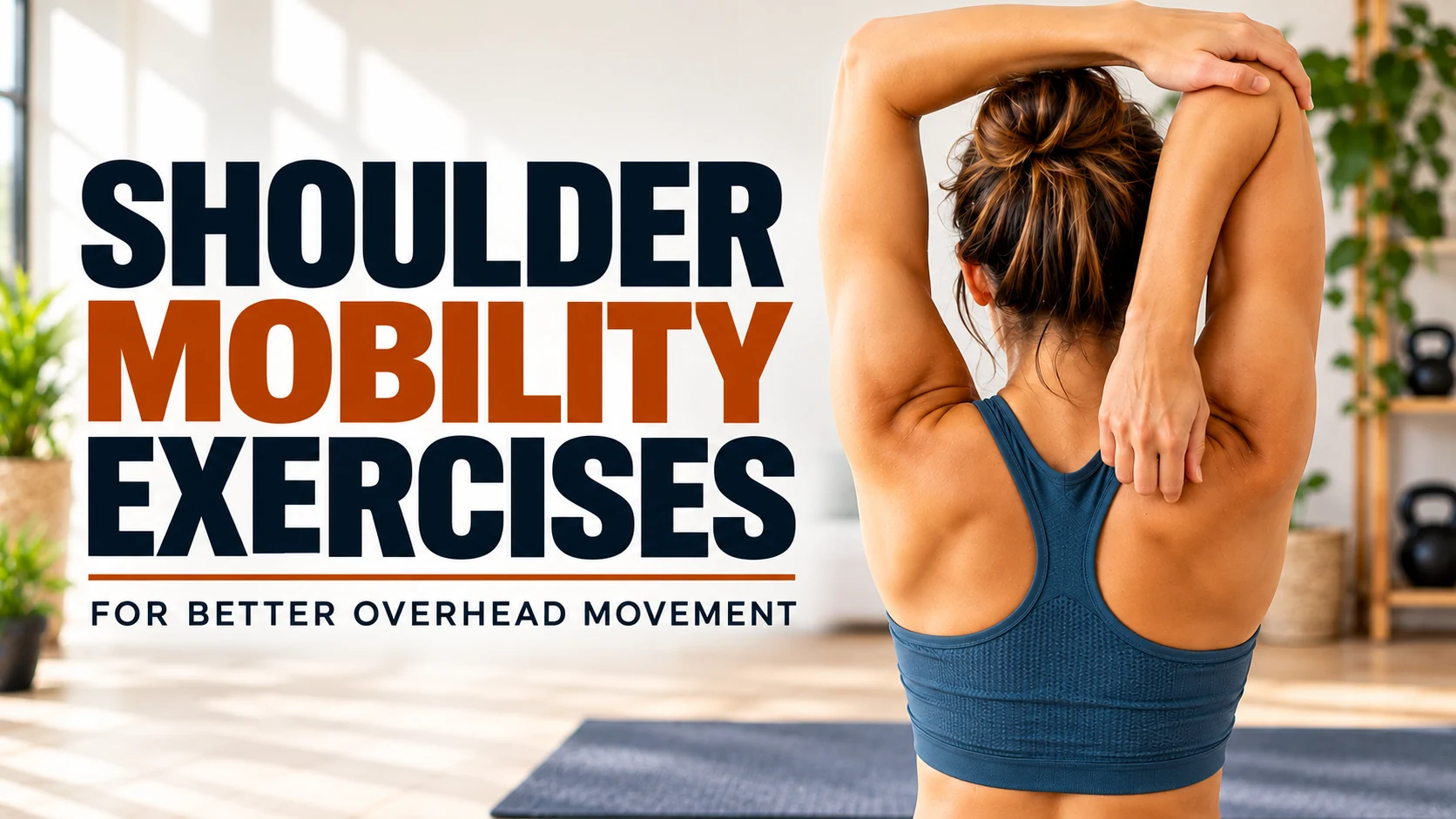
Shoulder Mobility Exercises for Better Overhead Movement
Build better overhead movement with eight shoulder mobility exercises focused on flexion, rotation, control, and upper-back positioning.
-
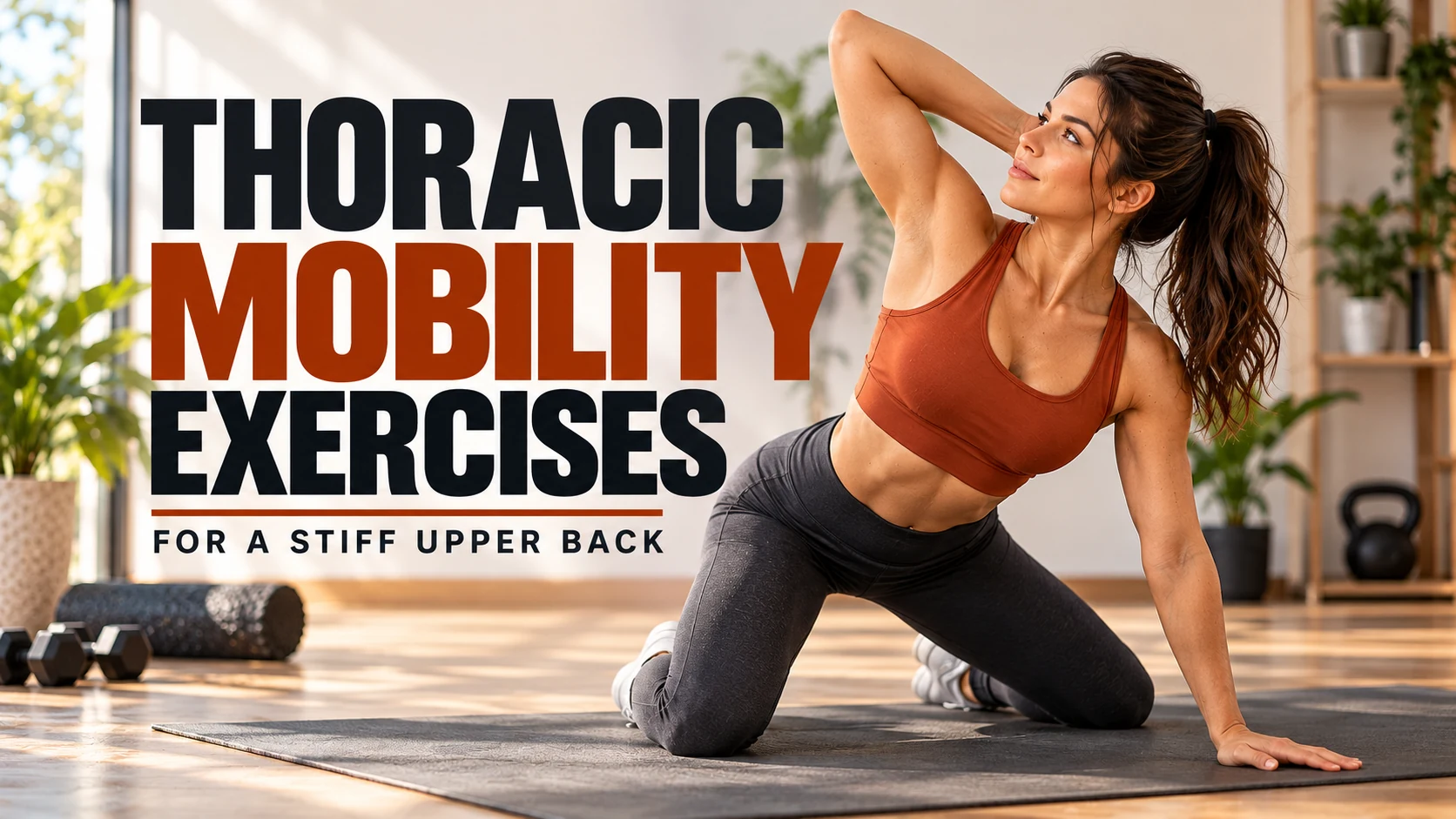
Thoracic Mobility Exercises for a Stiff Upper Back
Improve upper-back movement with eight thoracic mobility exercises focused on rotation, extension, and controlled range of motion.
-
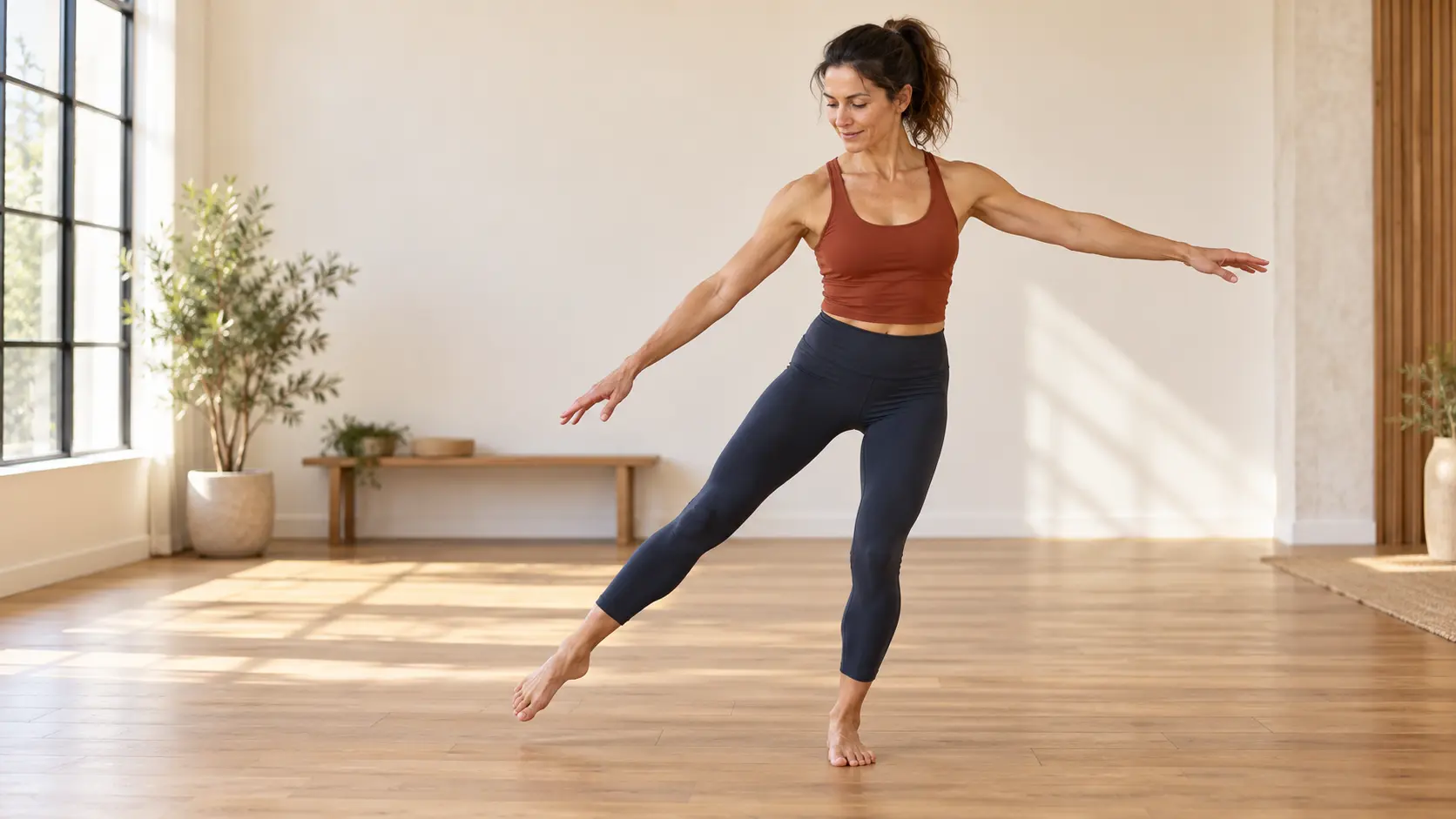
Single-Leg Balance: Benefits, Exercises and Progressions
Learn how to improve single-leg balance using nine exercises that progress from supported holds to reaches, hinges, controlled landings and single-leg squats.
-
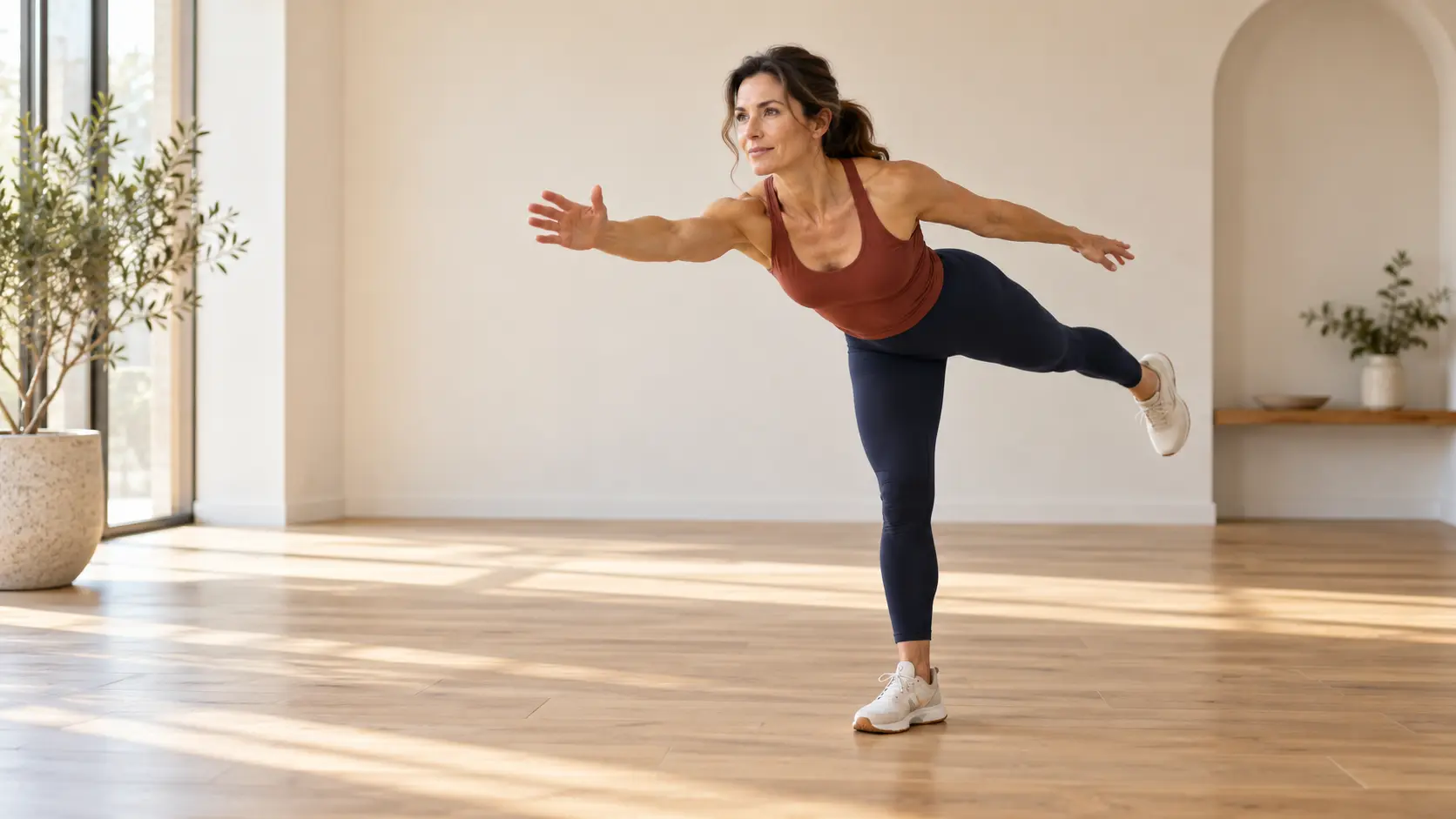
Balance Exercises: Beginner to Advanced Guide
Improve stability, coordination and body control with 12 balance exercises that progress from supported beginner movements to advanced single-leg drills.
-
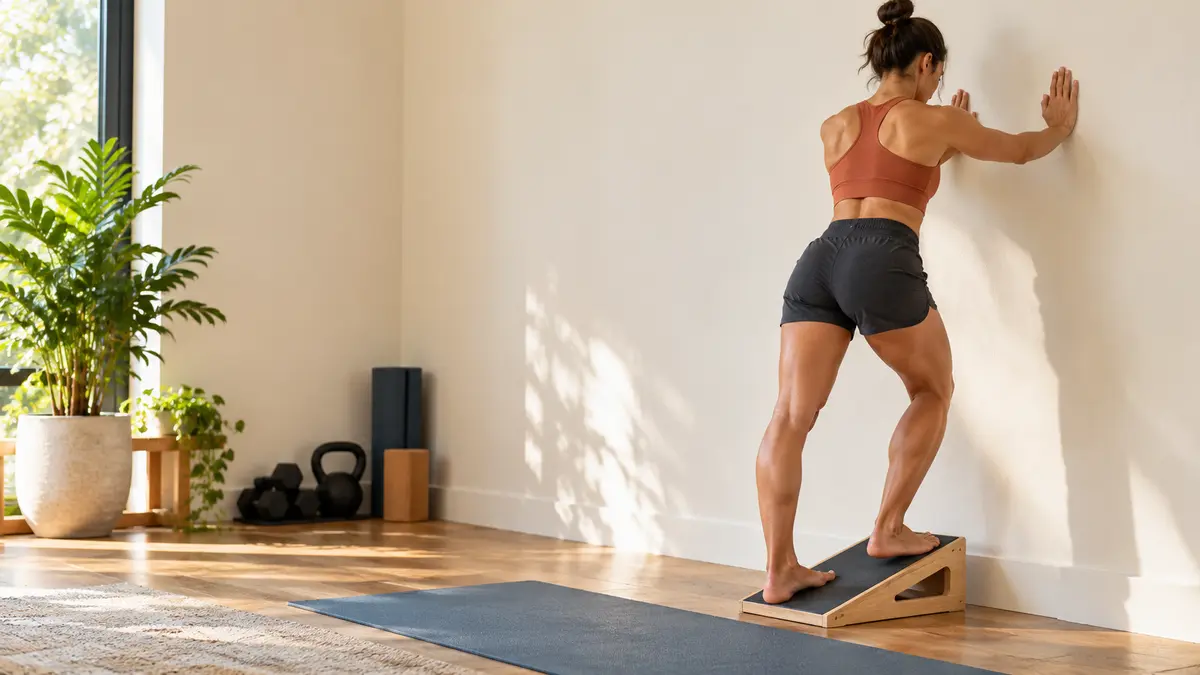
Slant Board Calf Stretch: Straight-Knee vs. Bent-Knee Form
A slant board makes calf stretching easy to repeat because it fixes the foot on a consistent incline. Changing the knee position changes the length and contribution of the two-joint gastrocnemius relative to the deeper soleus. The main distinction: A straighter knee places the gastrocnemius in a longer position across both the knee and ankle.…
-
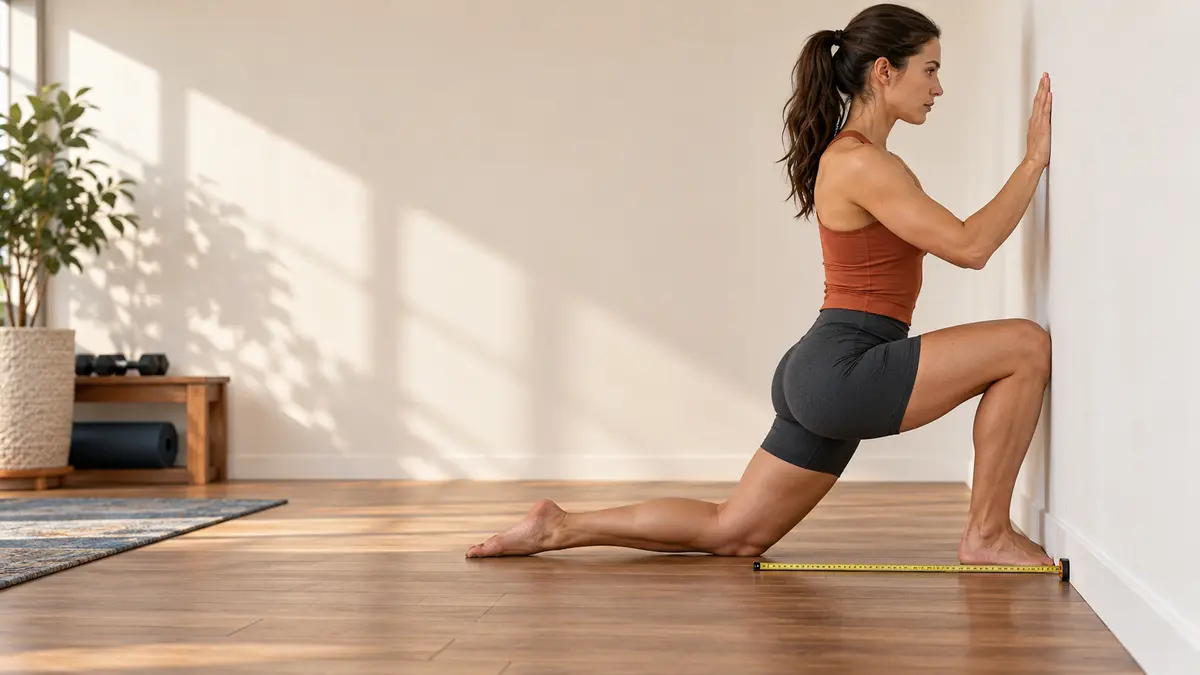
Ankle Dorsiflexion Normal Range: Knee-to-Wall Results by Age and Activity
The knee-to-wall test gives you a practical way to measure weight-bearing ankle dorsiflexion. The difficult part is interpreting the result. A number that is typical for one age group, sport or testing method may not mean the same thing in another context. Quick answer: There is no universal pass-or-fail ankle dorsiflexion score. Measure the same…
-
Foot and Toe Mobility Exercises for Better Ground Contact
Your feet are the first point of contact with the ground during walking, standing, balancing, squatting, and nearly every lower-body movement you perform. When the toes do not move well, the arch feels weak, or the foot cannot adapt to the floor, the rest of the body may have to compensate. That does not mean…
-
10-Minute Full-Body Mobility Routine for Beginners
“`html A full-body mobility routine does not need to take 30 or 45 minutes. With the right sequence, you can move the ankles, hips, spine, and shoulders in about 10 minutes while practicing the control needed to use that range during real movement. This beginner-friendly routine combines eight simple movements that work from the ground…
-
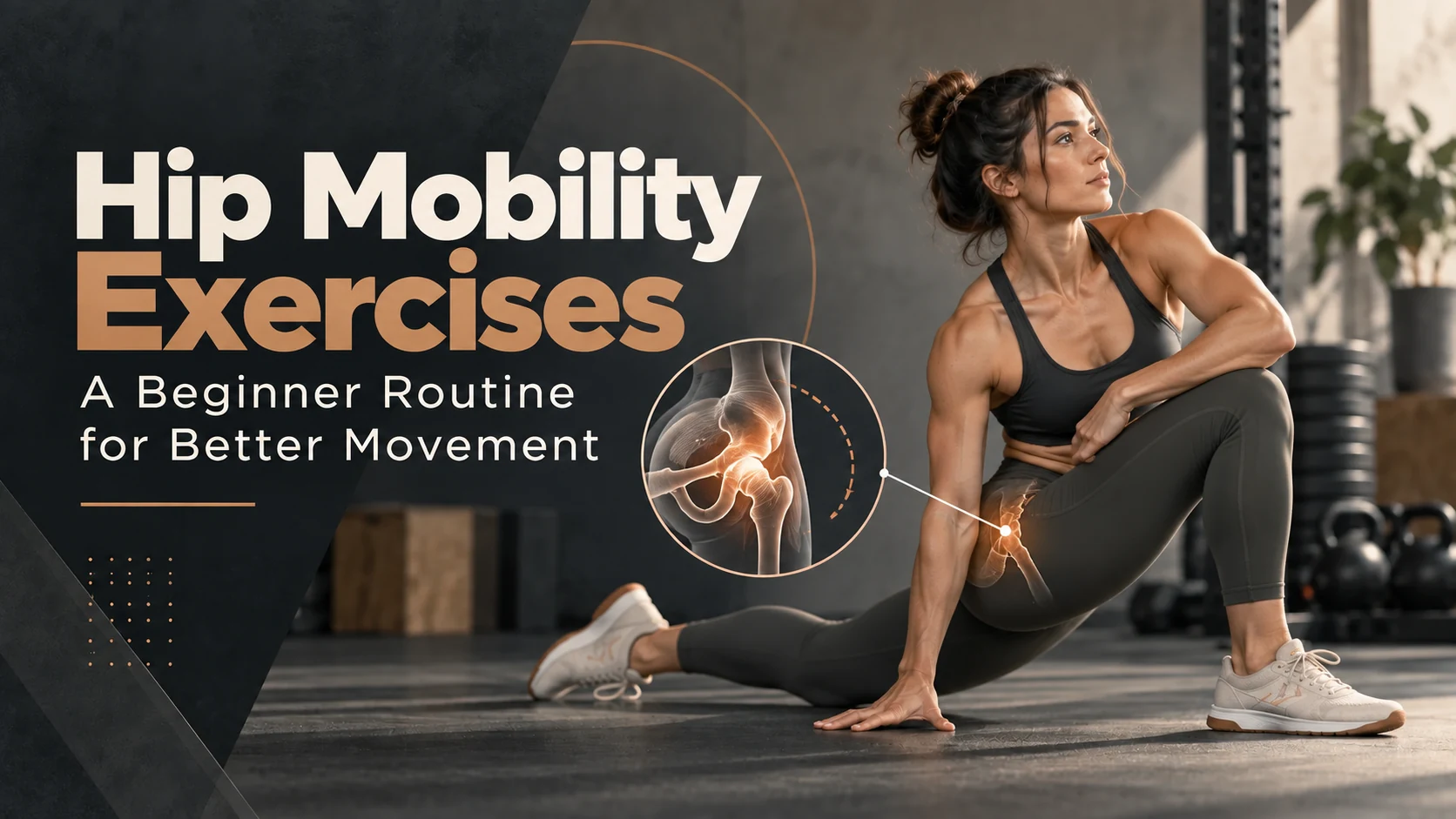
Hip Mobility Exercises: A Beginner Routine for Better Movement
Hip mobility affects far more than your ability to perform a deep squat. Your hips need to flex, extend, rotate, and move from side to side during walking, climbing stairs, hiking, getting up from a chair, lifting, and countless other everyday movements. When those movements feel restricted, the answer is not necessarily to stretch harder.…